

Teaching About Lunar New Year
Learn what Lunar New Year is, how it’s celebrated across cultures, and explore classroom-ready activities and lessons for teaching it.
Share
January 26, 2026
Learn what Lunar New Year is, how it’s celebrated across cultures, and explore classroom-ready activities and lessons for teaching it.
Share
How is Lunar New Year different from the New Year we celebrate worldwide on Dec. 31 and Jan. 1? Why do some cultures and religions observe a different new year? And why do we recognize the start of a new year at all?
Lunar New Year, like many cultural new year traditions around the world, marks the passage of time, invites reflection on the year that was and offers hope for new opportunities ahead. This sense of continuity is a deeply human need—connected to our well-being, our sense of identity, and the ways we and our ancestors have adapted to change and challenges over time.
Lunar New Year follows a lunisolar calendar—tracking both the moon’s phases and the Earth’s position around the sun—–and takes place between late-January and mid-February, after the Gregorian calendar’s new year on Dec. 31 and Jan. 1. It’s recognized across Asia and the Asian diaspora with a 15-day celebration. But it’s not the only new year tied to a lunisolar calendar; there are multiple alternatives to the Gregorian system. Lunar and solar calendars and other ways of measuring time exist for historical, geographical, ancestral and seasonal reasons.
Here is a sampling of how different cultures mark the new year.
If you are looking for resources to expand students’ understanding of Lunar New Year, here are several classroom-ready activities to try. You can also read my previous Lunar New Year blog to learn about the red envelope exchange, Nian the Beast and Lotus & Feather read by Michelle Yeoh at https://sharemylesson.com/blog/lunar-new-year-lesson-plans.
Lunar New Year is often associated with the Chinese Zodiac, a 12-year cycle with each year representing a different animal with corresponding personality traits. The animals, in order, are: Rat, Ox, Tiger, Rabbit, Dragon, Snake, Horse, Goat, Monkey, Rooster, Dog and Pig (Boar).
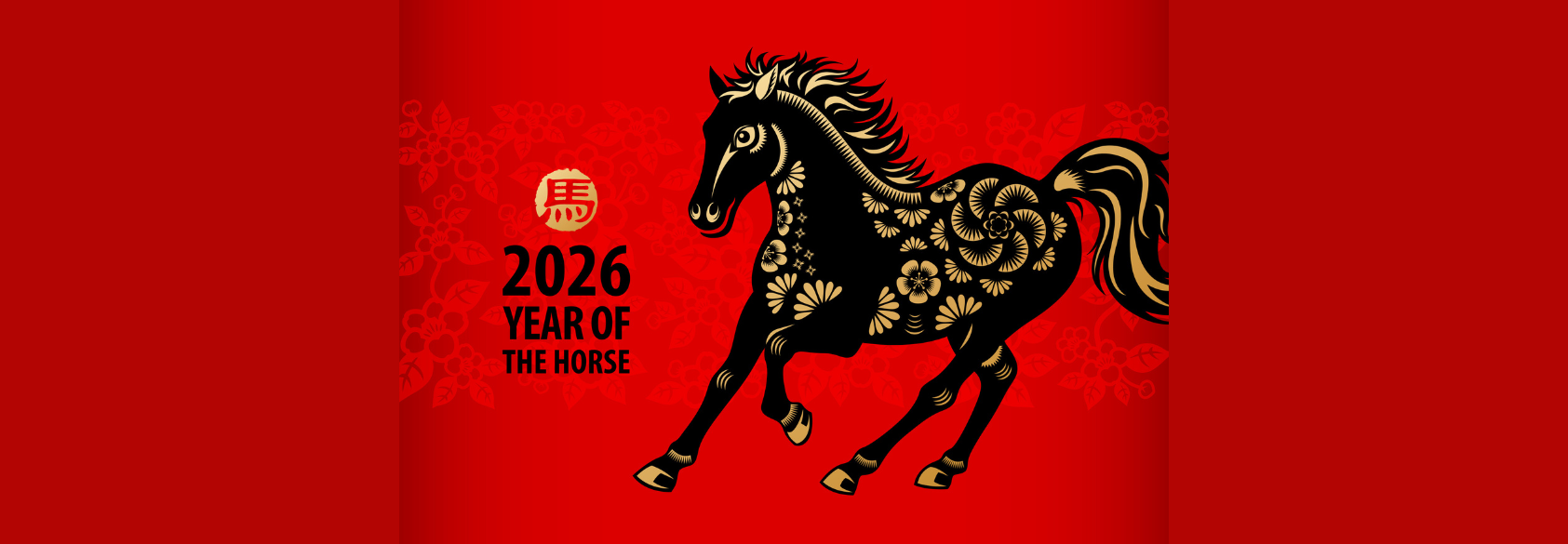
According to legend, the order comes from how quickly these animals swam across a fast-flowing river in a challenge known as the Great Race, declared by the Jade Emperor, in order to measure time. If you want to find which animal corresponds to your birth year, look here and here. This year is the Year of the Horse, which is often associated with energy, enthusiasm, freedom and adventure.
Hands-on activities offer an engaging, kinetic way to learn about celebrations like Lunar New Year. For this paper lantern activity, use red paper (representing good fortune and happiness) and gold (representing prosperity and a bright future). Together, these colors express a hopeful wish for the year ahead.
Learning about traditions through storytelling inspires empathy and offers a creative way to connect across cultures. Be sure to watch this Lunar New Year story about Nian the Beast—a scary creature said to threaten people and livestock on the last day of the lunar year in centuries gone by.
Performances such as dragon and lion dances are festive highlights in Lunar New Year parades. The loud sounds from drums and cymbals are traditionally believed to ward off evil spirits.
Food traditions provide insight into identity, geography and connections to the past. You can share or prepare dishes commonly associated with Lunar New Year, such as dumplings (symbolizing wealth) and long noodles (symbolizing longevity). These lessons serve as a springboard for exploring students’ own personal family food traditions.
Note: if you have any allergies, you could swap out peanut butter for sunflower seed butter and use coconut aminos in lieu of soy sauce
A lunar calendar is about 10-11 days shorter than the 365-day Gregorian solar year. Build background knowledge about the moon’s phases and Earth’s movement with these resources:
However you and your students measure the passage of time, I wish you not only moments for reflection and resolution, but also opportunities to celebrate community and learn together through shared traditions.
Join the Share My Lesson community in celebrating the generations of Asian and Pacific Islander Americans who have enriched global society, playing a critical role in its development and success. With our wealth of prek-12 digital resources, you and your students can explore the remarkable contributions that AANHPI Americans have given to history, culture, the sciences, industry, government and more.
Want to see more stories like this one? Subscribe to the SML e-newsletter!